
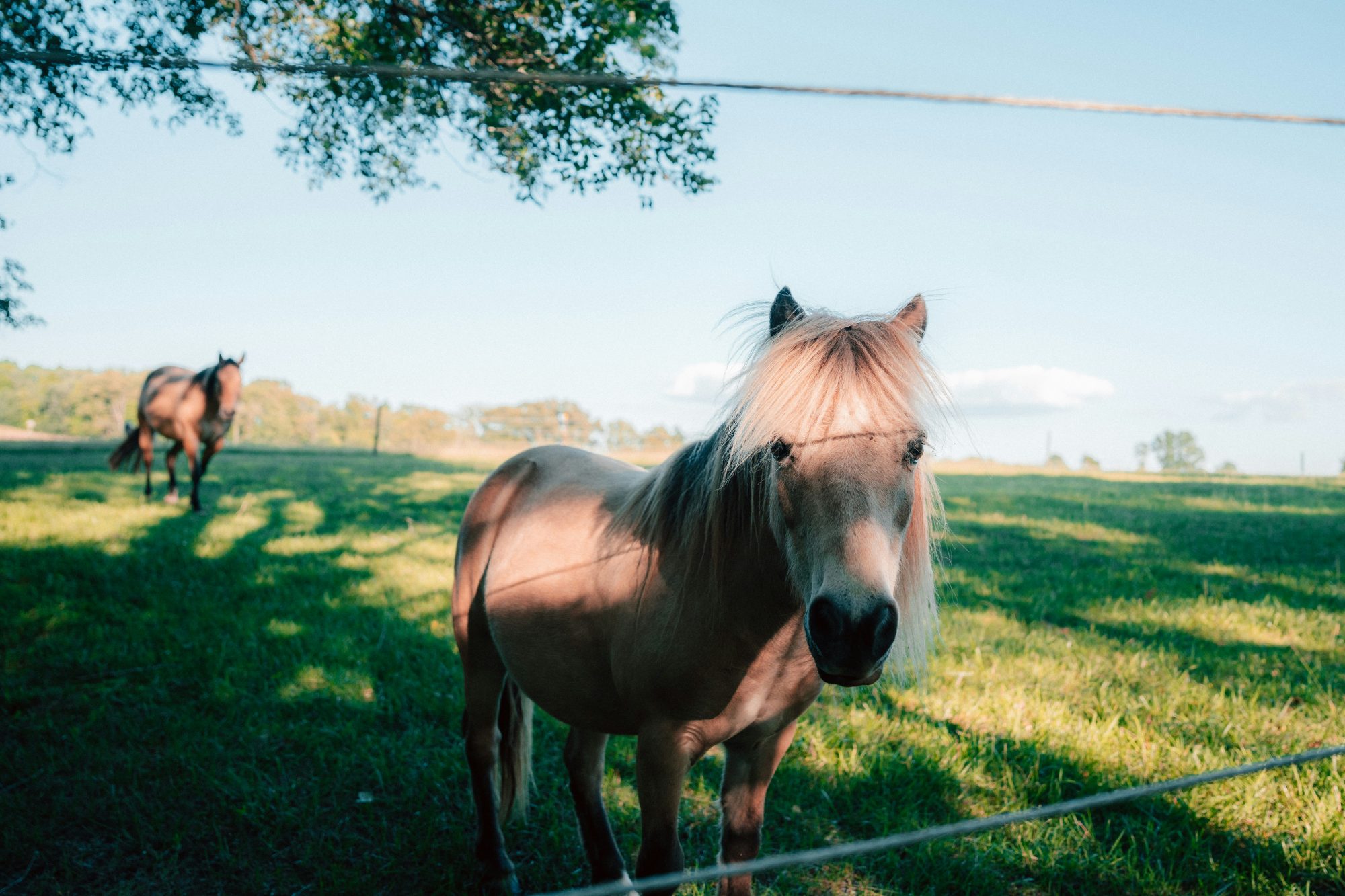
Managing pastures for wildfire risk, drought and fast recovery
In recent years, prolonged summer dry spells and heightened wildfire risks have shifted from rare anomalies to regular seasonal considerations across the UK. For horse owners, extreme weather brings dual challenges: parched, unproductive paddocks during high summer, followed by severe soil erosion, compaction, and mud when rains eventually arrive.
While emergency evacuation planning is essential, true resilience begins on the ground. By adopting a proactive approach to pasture management, horse owners can reduce combustible fuel loads, protect fragile soil structures, and maintain healthy, resilient grazing for their horses.
1. The Wildfire Angle: Land Management as Prevention
Wildfire risk in rural landscapes is fundamentally a vegetation and fuel-management challenge. As highlighted in UK land management guidelines (such as Wildfire Wise Wales), dry grasses, unmanaged bracken, gorse, and overgrown hedgerows create continuous pathways for fire to travel rapidly across open ground.
Practical steps for your yard:
- Create defensible buffer zones: Maintain clear breaks around high-risk areas – including wooden fencing, hay/straw barns, timber shelters, and tack rooms. Keep vegetation cut back or closely grazed in a 10–15 metre perimeter around buildings.
- Targeted boundary grazing: Use controlled rotational grazing along field boundaries and fence lines late in the spring to eat down lush growth before it matures into tall, dry, highly combustible fuel.
- Maintain access routes: Ensure tracks, gateways, and turning circles remain clear of overgrown dry brush and low-hanging branches so emergency vehicles can access paddocks if necessary.
- Safe storage practices: Store hay bales, bedding, and fuel away from outer boundary lines adjoining public footpaths, heathland, or railway embankments.
2. Drought Resilience: Protecting the Sward & Root System
When pasture is continuously overgrazed down to the soil during dry spells, the root systems shrink and die back. This leaves bare dirt exposed to extreme heat, causing soil compaction and baking. When rain returns, the hardened ground cannot absorb water, causing topsoil runoff rather than rehydration.
🌾 The 3 – 4 inch target (ideal scenario vs. reality)
In an ideal world, leaving 3–4 inches (7–10 cm) of grass cover acts as a natural shade cloth for the soil, keeping ground temperatures cooler and allowing roots to survive.
Real-world reality check: On busy UK yards or small acreages, maintaining that height everywhere isn’t always realistic! The core goal isn’t perfection – it’s simply avoiding pasture being nibbled down to bare dirt. Every inch of leaf cover you preserve helps the field recover weeks faster when the rain returns.
⚠️ A note on Laminitis & drought grass:
Many owners worry that longer grass increases laminitis risk. However, sun-baked, ultra-short grass stubble is actually under extreme stress, causing it to store high concentrations of sugars (fructans) right at the base of the stem to survive. Taking horses off stressed stubble and onto a sacrifice pad / track system with soaked, tested hay can be far safer for laminitic horses during drought than letting them nibble sun-scorched earth.
Strategies for drought protection:
- Increase field rest time early: Do not wait until paddocks are eaten down to bare soil. As soon as dry weather slows grass growth, give fields longer recovery periods. For example, doubling the rest time between turnouts from 3 weeks to 6 weeks.
- Ration available grass: Use mobile electric tape to strip-graze fields into smaller daily sections. This stops horses from wandering across an entire field and chewing the whole sward down to the roots at once.
- Use sacrificial areas or track systems: Designate a sacrifice paddock, track system, or all-weather area to house horses when pasture growth stalls. Sacrificing 20% of your land to protect the remaining 80% ensures long-term pasture survival.
- Supplement with hay early: Offer hay in sacrificial areas before grass runs short. Feeding hay early prevents horses from being forced to nibble bare ground, which protects the sward while reducing sand colic and parasite risks.
3. Building soil resilience for the long term
Equine pastures frequently suffer from nutrient depletion and compaction from heavy hoof traffic. Healthy soil acts like a sponge, holding vital moisture during drought and absorbing heavy rainfall to prevent flooding.
- Avoid over-rolling: Heavy rolling on dry or compacted soils worsens soil structure, crushing pore space necessary for air and root penetration. Focus instead on light harrowing when moisture levels allow.
- Return organic matter (without parasite risk): Applying fully composted manure restores vital organic matter and nutrients to depleted soils, boosting moisture retention capacity. Crucially, this must be thermally hot-composted manure, not fresh or stockpiled muck.
- Conduct regular soil tests: Monitoring soil pH and key nutrients (phosphorus, potassium, magnesium) helps ensure grass swards remain resilient against weather stress without requiring heavy chemical applications.
💡 Poo picking vs. spreading compost: resolving the parasite conflict
Horse owners often ask: “If we spend so much time poo picking to manage worm burdens, isn’t spreading manure back onto paddocks counterproductive?”
The secret lies in the composting process. Spreading fresh or stockpiled muck broadcasts live, infective parasite larvae and eggs across the grass. However, properly managed hot composting generates internal temperatures of 55°C–65°C over several days, which completely destroys parasite eggs, encysted larvae, and weed seeds.
The golden rule: Poo picking removes raw parasite risk from active pasture; hot composting thermally sterilises the muck heap; spreading dark, finished, earthy-smelling compost feeds the soil safely during rested or non-grazing periods.
📋 Practical yard & paddock checklist
- [ ] Forage budget: Calculate existing grazing capacity and secure clean hay/forage supplies before dry spells hit.
- [ ] Sacrificial area identified: Set up a sacrifice paddock, track system or all-weather area to protect pasture when growth stops.
- [ ] Fire buffer zones cleared: Keep a 10–15m low-fuel zone clear around wooden buildings, hay stores, and diesel tanks.
- [ ] Water systems tested: Check flow rates, clean troughs, and secure backup water storage for high-temperature spikes.
- [ ] Rotational fencing ready: Keep mobile electric fencing operational to strip-graze and protect rested swards.
Author note & disclaimer
This guide has taken established UK agricultural, equine, and wildfire land-management research (including guidance from ADAS Equine, AHDB, and Wildfire Wise Wales) and turned it into practical steps for horse owners. As an equestrian professional, while I am not a wildfire specialist or agronomist, I believe that adopting evidence-based land stewardship principles will allow us to build safer, more sustainable environments for our horses and local communities.