
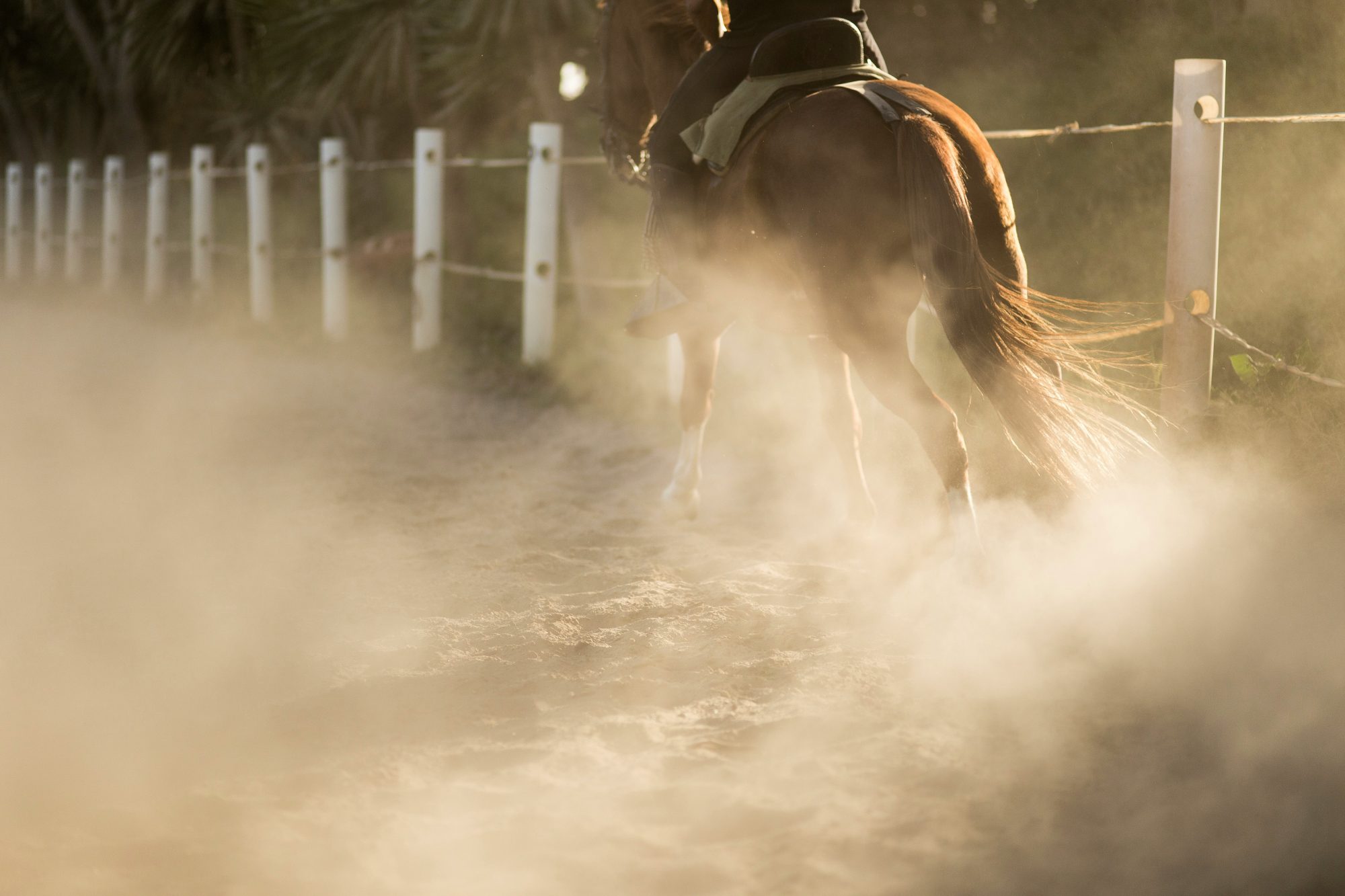
When the long summer days arrive, it’s easy to think of horse riding as a leisurely outdoor hobby. But anyone who has ever schooled a 600kg animal knows the truth: horse riding is intense physical exercise.
During a heatwave, the saddle can quickly become a high-risk environment if we aren’t prepared. Unlike a runner who just has to worry about their own body heat, an equestrian is dealing with a combination of biological heat, insulating safety gear, and environmental radiation.
Here is what is actually happening when you ride in the heat, how to spot the danger signs in both you and your horse, and how to stay safe this summer.
The equestrian heat multiplier effect
Staying cool on a horse is significantly harder than staying cool during a jog or a bike ride. Riders face several threats from the heat:
- The human workout: Riding is a full-body cardiovascular and strength workout. Our core muscles are constantly engaged, generating massive internal heat.
- The equine radiator: Horses are incredibly efficient heat generators. A horse’s working muscles produce up to five times more heat than a human’s. When we sit in the saddle, we are effectively strapping ourselves to a giant, fur-covered radiator that is radiating heat directly into our lower body.
- The arena microclimate: Sand and synthetic arena surfaces act like giant heat sinks. They absorb the sun’s radiation and reflect that heat directly back up at riders and their horses, creating a microclimate that can be several degrees hotter than the surrounding grass.
- The PPE insulation: Our vital safety gear – riding hats, body protectors, long boots, and gloves – is designed for protection, not ventilation. Thick foam body protectors trap core body heat, while hats prevent heat from escaping through our head (the body’s natural cooling chimney).
Spotting the danger signs: heat exhaustion
Heat illness can sneak up fast. As a rider or a parent watching from the sidelines, you need to know exactly what to look for.
In riders
Heat exhaustion can compromise a rider’s reaction time, balance, and judgment, which quickly becomes a major safety issue. Watch for:
- An unusually red or flushed face, or conversely, becoming suddenly pale and clammy.
- Dizziness, lightheadedness, or a sudden headache.
- Extreme fatigue or a feeling of “moving through mud.”
- Nausea or a loss of coordination.
In horses
Horses can succumb to heat stress much faster than humans. Keep a close eye out for:
- Flared nostrils and rapid, shallow breathing (panting) that doesn’t slow down when they stop working.
- Skin that feels hot to the touch and excessive, frothy sweating – or, dangerously, a horse that has stopped sweating despite working hard.
- Lethargy, stumbling, or a reluctant, sluggish attitude.
- A high heart rate that takes a long time to return to normal.
Your summer riding checklist: stay safe, stay hydrated
To keep training safely when the thermometer climbs, treat hydration and cooling with the same discipline you treat your horse’s feed regime.
Before you ride
- Hydrate early: If you start drinking water when you feel thirsty at the yard, you’re already dehydrated. Parents: please ensure young riders are drinking water before they leave the house.
- Bring a bottle to the ring: Always bring a bottle of water (and ideally one with electrolytes) down to the arena. Taking short breaks to hydrate is a sign of good horsemanship, not weakness.
- The ringside water station (with a strict biosecurity warning): I love seeing a fresh bucket of clean water left by the arena gate. Offering your horse a few sips during walk breaks helps keep their hydration levels topped up and assists their natural cooling system mid-work.
- Strictly no sharing! With equine influenza cases currently high across the country, communal water troughs or shared buckets are a massive biosecurity risk. Every horse must have their own designated bucket. Never let your horse drink from a bucket another horse has used, and do not share sponges or scrapers.
- Dress smart: Opt for technical, moisture-wicking base layers under your safety gear.
After the ride: the cool-down protocol
The work isn’t done when you dismount. Both rider and horse need a deliberate recovery routine.
- For the horse: Strip the tack immediately. Hose, or pour, large volumes of cool water all over the horse’s body to bring their temperature down faster. Do not scrape the water off – leaving the water on allows it to continue to draw heat out of their body while it evaporates. Offer them small, frequent sips of fresh water. Move them into a shaded, well-ventilated area where there is good airflow to help them recover.
- For the rider: Unzip and remove your body protector and – once you are in a safe area away from the horses – remove your riding hat to let your head cool down. Slowly sip cool water or an electrolyte drink. Avoid ice-cold drinks if you are feeling very overheated as it can shock your system.
The golden rule: If the heat is severe, adjust your expectations. Summer is a great time to focus on groundwork, technical flatwork, walk-only micro-sessions, or shifting your riding times to the very early morning or late evening.
Looking to adjust your summer training?
Whether you want to beat the heat by focusing on precision flatwork during a cooler evening session, or to work on your communication and build trust from the ground, I am here to help you and your horse progress safely. Get in touch to see how we can tailor your next session.
Pingback:In-Hand Horse Walking in Summer | Benefits & Safety Tips